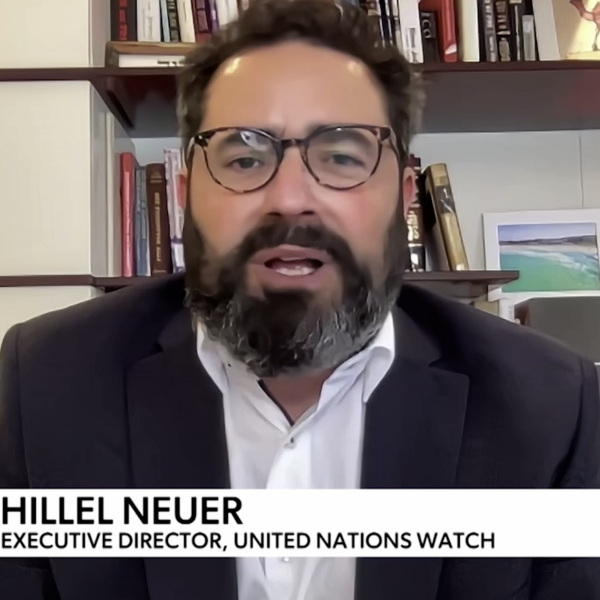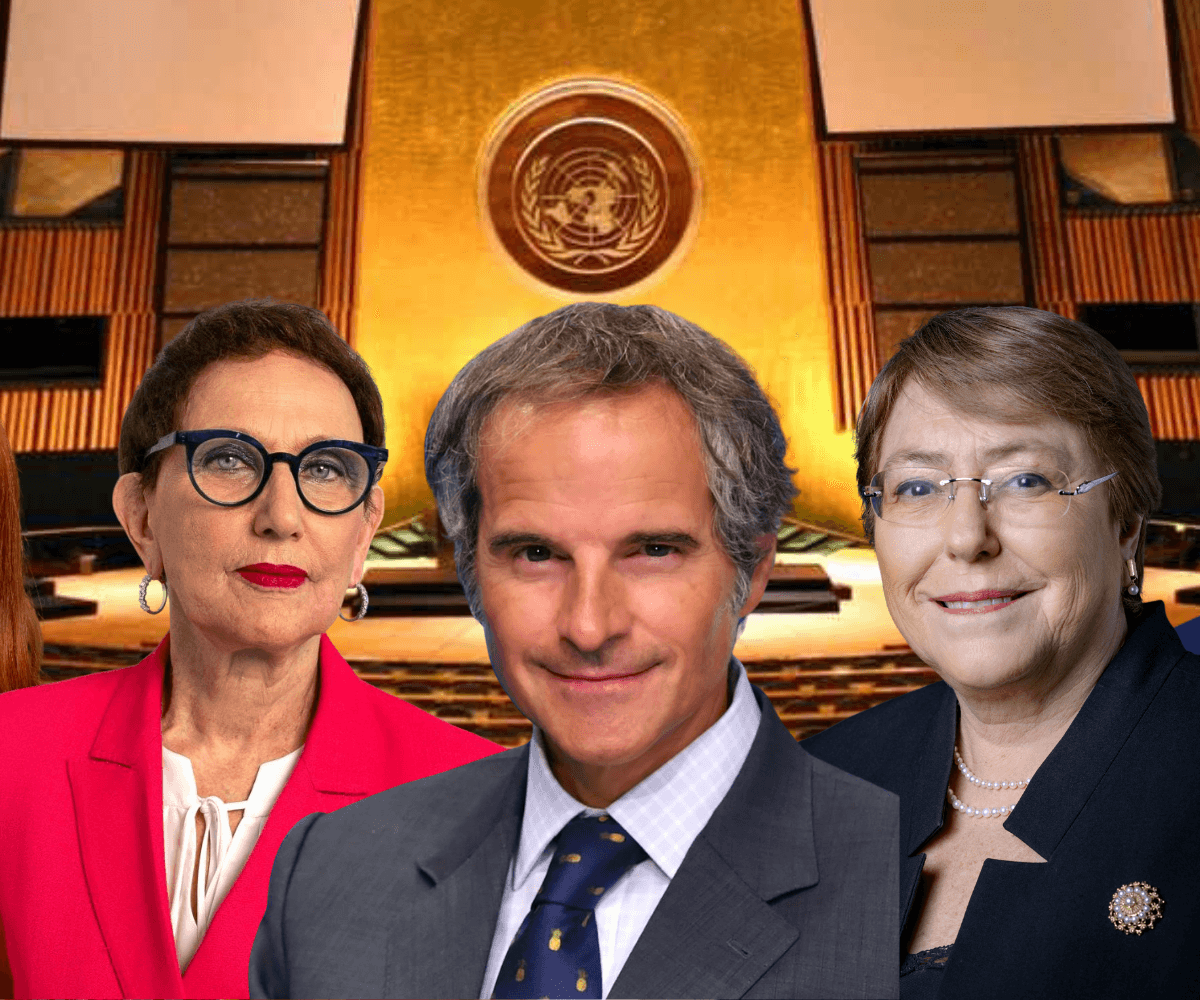
The next United Nations Secretary-General will take office on January 1, 2027, succeeding António Guterres at a time when the United Nations faces mounting concerns over politicization, double standards, and the growing influence of authoritarian regimes. While formally appointed by the 193-member General Assembly, the Secretary-General is effectively selected by the UN Security Council, where any of the five permanent members can veto a candidate.
The following analysis evaluates the declared candidates based on their public records, leadership experience, and positions on issues central to UN Watch’s mission, including defending universal human rights, confronting authoritarian regimes, combating institutional bias, and restoring the UN’s credibility.
Analysis of the Candidates for UN Secretary-General
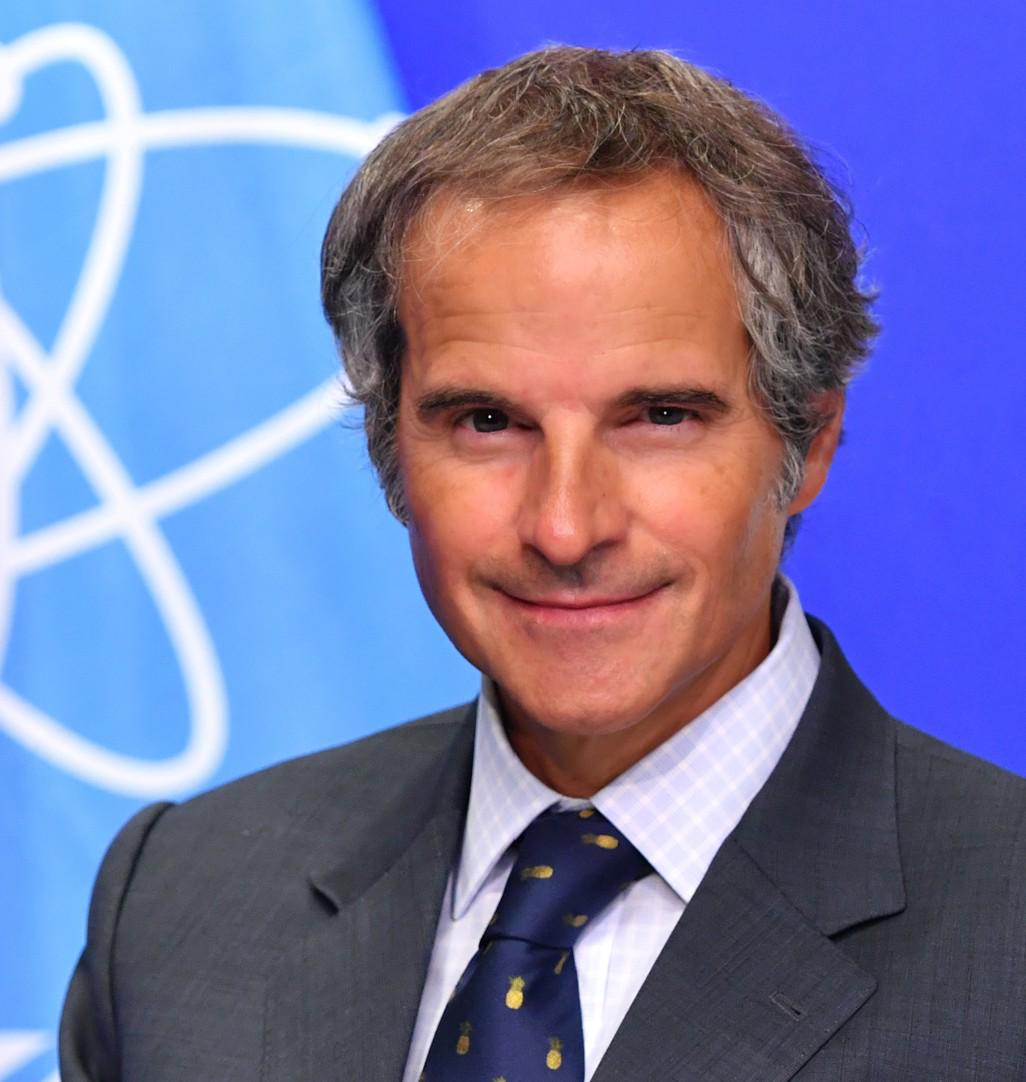
Rafael Grossi
Director-General of the IAEA, Argentine Diplomat
Rafael Grossi is a capable and seasoned diplomat with strong technical credibility, particularly on nuclear non-proliferation. At the same time, his greatest strength — his ability to maintain relationships with all sides — raises legitimate concerns about whether he would be willing to confront Russia and China over human rights violations with clarity and firmness.
On Iran, Grossi’s record is mixed. His public posture has at times appeared too cautious toward Tehran and overly critical of Israel and the United States, raising questions about balance and resolve.
Grossi’s stated commitment to human rights is welcome, but it remains unclear whether he is prepared to meet the challenges plaguing the UN system. Key questions remain about whether he would challenge the politicization, corruption, and double standards deeply entrenched within the UN system — or accommodate them.
Question for Candidate: Mr. Grossi, Iran has repeatedly obstructed IAEA inspectors while advancing its nuclear program. Yet your public statements have often emphasized dialogue, restraint, and cooperation rather than directly holding Tehran accountable. Looking back, do you believe this was the correct approach, and what does your record on Iran tell member states about how you would confront authoritarian regimes as Secretary-General?
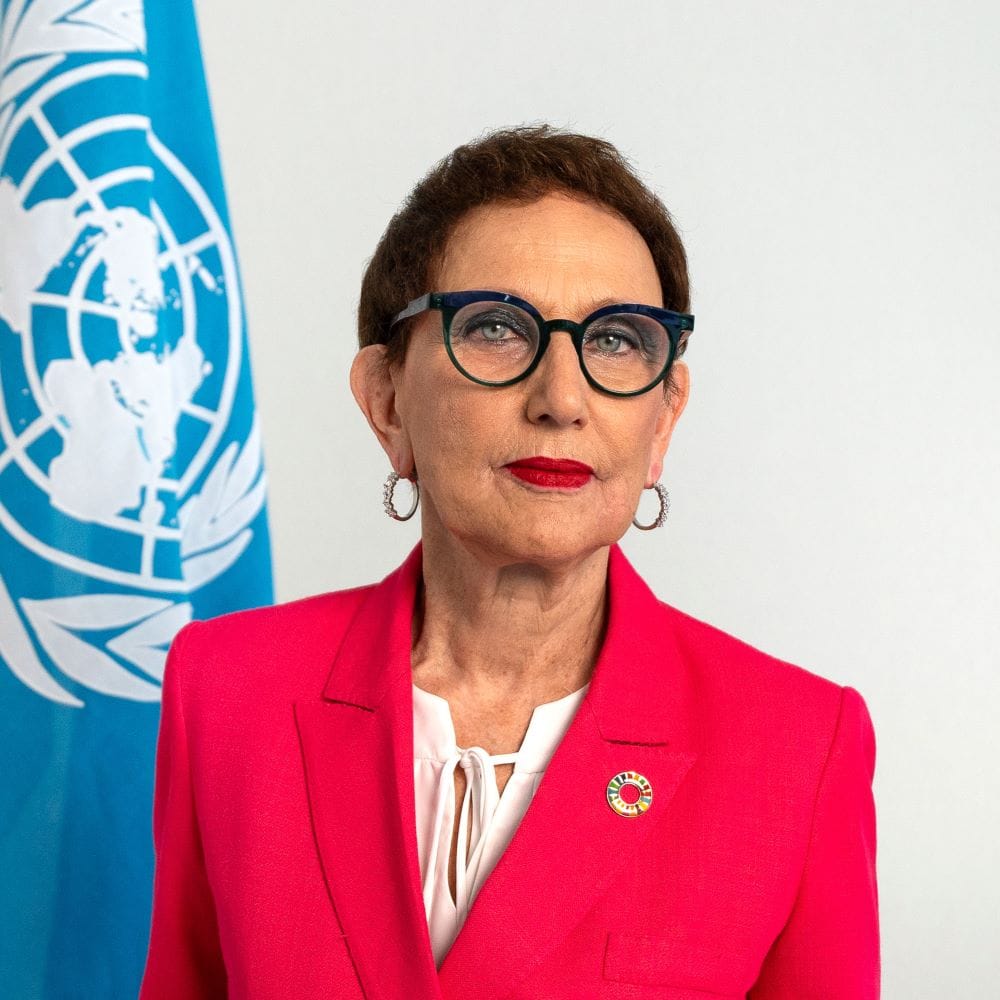
Rebeca Grynspan
Secretary-General of UN Trade and Development (UNCTAD), Former Vice President of Costa Rica
Rebeca Grynspan presents herself as a reform candidate, but her record suggests continuity more than change. She is an appointee of António Guterres and closely aligned with the status quo, raising concerns that the same patterns of bias and politicization would persist.
She was a major player in the UN effort to ship Ukrainian and Russian grains to global markets at the start of the war in Ukraine and outgoing Secretary-General António Guterres designated her as the senior U.N. official to deal with the Russians.
While Grynspan has spoken favorably of democratic governance, she has also shown a tendency to tread lightly around major powers like Russia and China, raising doubts about whether she would be willing to confront human rights violations by the world’s worst offenders.
Under her leadership, the UN body she heads has produced a series of harsh and one-sided reports on Israel, raising concerns about fairness and reinforcing fears that she may be too willing to align with the system’s entrenched bias.
Question for Candidate: If at all, how would your leadership differ in practice from Secretary-General Guterres on confronting authoritarian governments and addressing accusations of political bias within the UN system?
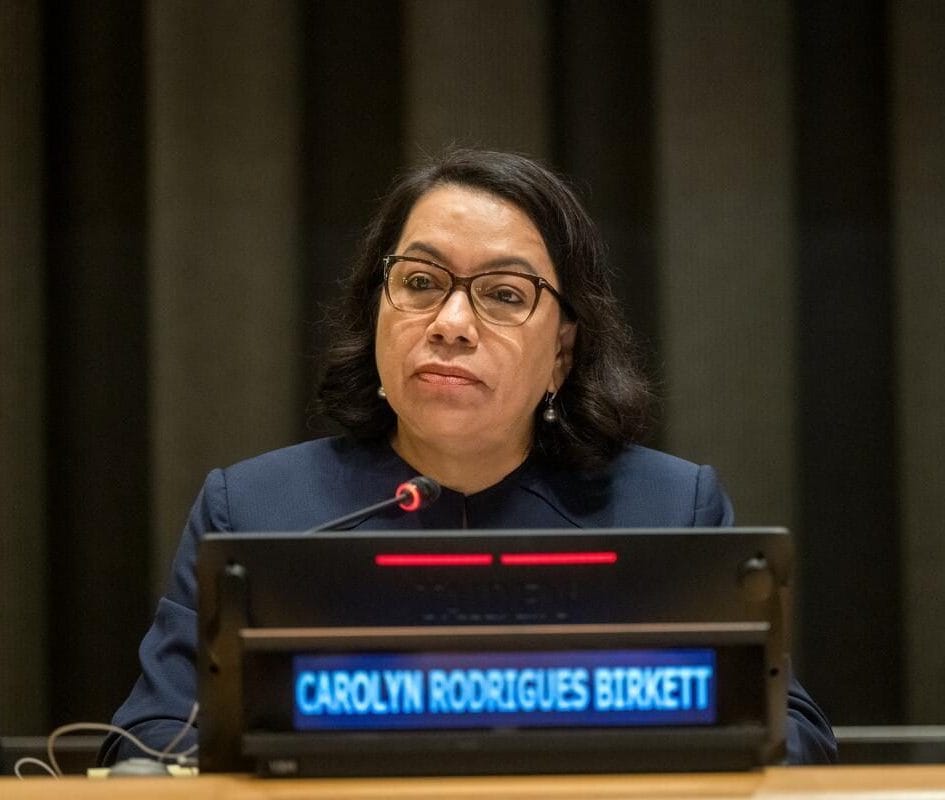
Carolyn Rodrigues-Birkett
Permanent Representative of Guyana to the United Nations, Former Foreign Minister
Carolyn Rodrigues-Birkett says the next Secretary-General must be an unwavering advocate for human rights. Yet under her leadership at the United Nations, Guyana repeatedly abstained on resolutions holding Iran and Assad’s Syria accountable for some of the world’s gravest abuses.
At the same time, Rodrigues-Birkett consistently backed the UN’s most politicized campaigns, supporting every anti-Israel and anti-American resolution at the General Assembly while defending UNRWA despite its documented ties to terrorism. Speaking at the Security Council, she even condemned the Jewish state’s purported “colonialist aspirations, fueled by a racist and religious ideology of superiority.” Her record suggests she would reinforce the world body’s existing biases rather than work to restore its credibility.
Troublingly, Rodrigues-Birkett has also publicly hailed Cuban dictator Fidel Castro, stating that “to speak about Cuba, its achievements, its resilience, its focus on human development…, cannot be done without paying tribute to the visionary, determined, revolutionary behind it all, Comandante Fidel Castro.“ Her admiration for Castro raises serious questions about her judgment and commitment to human rights.
Question for Candidate: The United Nations is often criticized for applying double standards — particularly by singling out democracies while failing to hold authoritarian regimes accountable. During your tenure as Guyana’s ambassador, your voting record reflected precisely that pattern. What evidence can you offer that you would lead the United Nations according to universal principles rather than political selectivity?
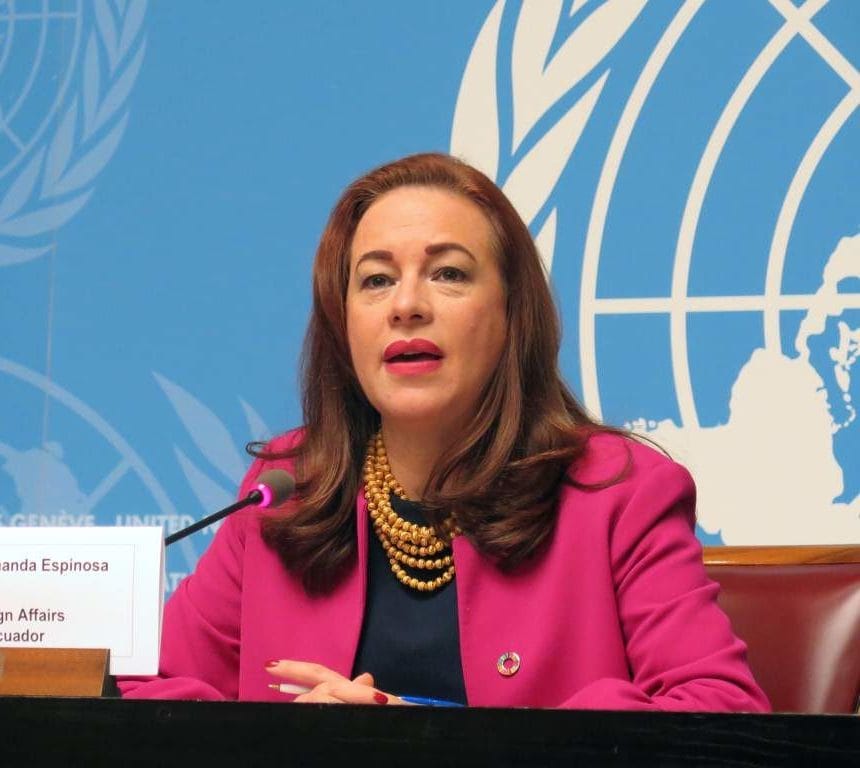
María Fernanda Espinosa
Former President of the UN General Assembly, Former Foreign Minister of Ecuador, Former Permanent Representative to the United Nations
María Fernanda Espinosa campaigns on restoring the UN’s credibility. Yet while serving in government, she spent years giving a pass to the worst violators of human rights. For instance, while serving as Ecuador’s Permanent Representative to the UN in Geneva, Espinosa voted against a resolution condemning the Islamic Republic of Iran for its oppression. She also abstained on a series of resolutions condemning Syria, Belarus, Burundi, and Myanmar while openly championing anti-Israel initiatives at the United Nations.
Espinosa’s record also raises serious concerns about her judgment and neutrality, having associated herself with leaders whose legacies are defined by repression rather than democracy. Espinosa publicly praised Fidel Castro and Hugo Chávez, two figures whose governments systematically suppressed political freedoms and independent voices.
Notably, Espinosa was not nominated from her home country. Instead, she’s nominated by the pro-Cuban government of Antigua and Barbuda.
Question for Candidate: In now deleted social media statements, you praised Fidel Castro and Hugo Chávez, two leaders whose legacies are marked by political repression and widespread human rights abuses. Are you now prepared to publicly condemn the gross and systematic violations of human rights committed by Fidel Castro and Hugo Chávez, and why should the victims of authoritarian regimes trust that you would serve as an impartial defender of universal human rights?
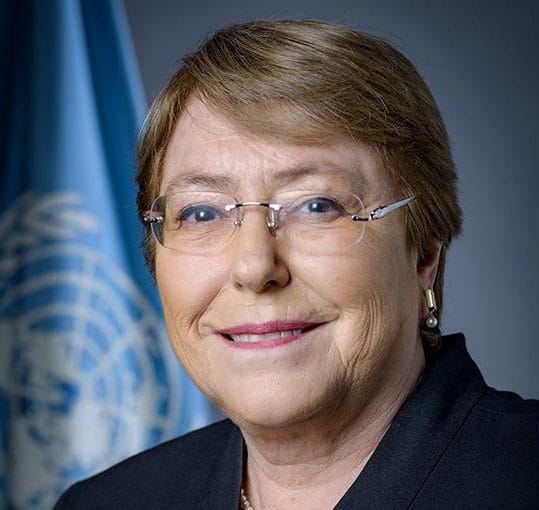
Michelle Bachelet
Former President of Chile, Former UN High Commissioner for Human Rights
Michelle Bachelet’s tenure as UN Human Rights Chief was marked by a troubling pattern of selective outrage. She repeatedly downplayed or refused to confront some of the world’s worst abusers, while disproportionately targeting democratic countries.
While a million Uyghurs were detained in Chinese forced labor camps, Michelle Bachelet failed her obligation as UN Human Rights Chief to speak out with the clarity and urgency the moment demanded. Bachelet looked the other way, instead choosing to single out democratic countries for criticism. During her tenure, she condemned the U.S. and Israel more than China, Russia, North Korea, Cuba, Qatar, Somalia, and Zimbabwe combined.
Notably, the Chilean government has withdrawn its support of Bachelet’s candidacy which is instead backed by Brazil and Mexico.
Question for Candidate: During your tenure as High Commissioner for Human Rights, your office condemned democratic states while failing to adequately confront serial abusers such as China, Iran, and North Korea. Why should member states entrust you with leading the United Nations when many believe your leadership helped undermine the credibility of the UN human rights system?
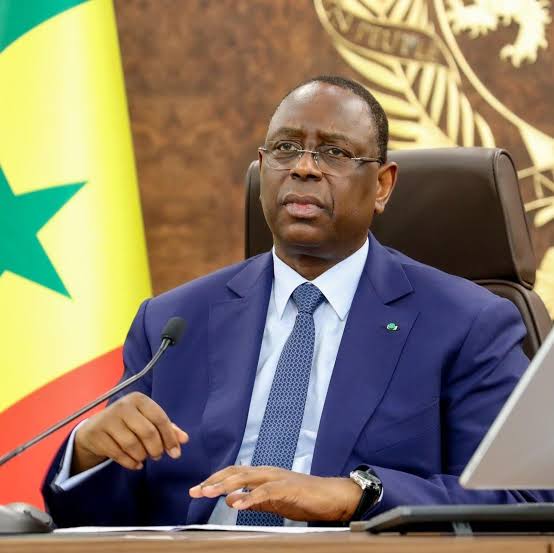
Macky Sall
Former President of Senegal, Former Chairperson of the African Union
Under Macky Sall’s leadership, Senegal violently cracked down on protestors, jailed journalists, and detained opposition leaders, raising serious questions that he is unable or unwilling to defend fundamental freedoms if elected Secretary-General.
Sall’s candidacy was endorsed by Burundi after his own country initially refused to back him, though Senegal reversed course in July. The African Union declined to endorse his candidacy. He is the only candidate from outside the Latin American and Caribbean Group (GRULAC), whose turn it is generally considered to be under the UN’s informal principle of regional rotation.
Question for Candidate: During your presidency, Senegal security forces killed protesters, journalists were jailed, opposition figures were imprisoned, and thousands of people were arbitrarily detained. Why should the world entrust the office of Secretary-General to someone whose own government has been accused of violating the very human rights the United Nations exists to protect?
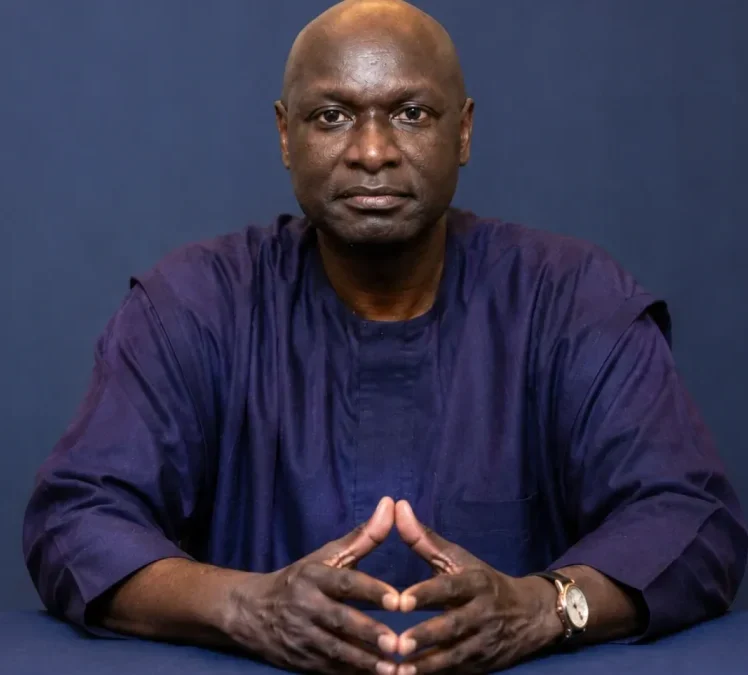
Olara Otunnu
UN Special Representative for Children and Armed Conflict, Former Foreign Minister of Uganda, Former Permanent Representative to the United Nations
Olara Otunnu earned international recognition as the UN’s Special Representative for Children and Armed Conflict, where he helped elevate the protection of children in war zones as a global priority.
At the same time, legitimate questions remain about his past service under Ugandan dictator Milton Obote and his current endorsement by dictator Yoweri Museveni, whose oppressive government has committed serious human rights violations. The next UN Secretary-General must demonstrate independence and a willingness to stand up for human rights, regardless of political pressure.
Question for Candidate: The UN Secretary-General must be the world’s leading voice for human rights. Yet you have accepted the backing of dictator Yoweri Museveni, whose government has been widely accused of serious human rights violations. How do you reconcile that support with your commitment to human rights, and, if elected, would you publicly condemn abuses committed by his government?
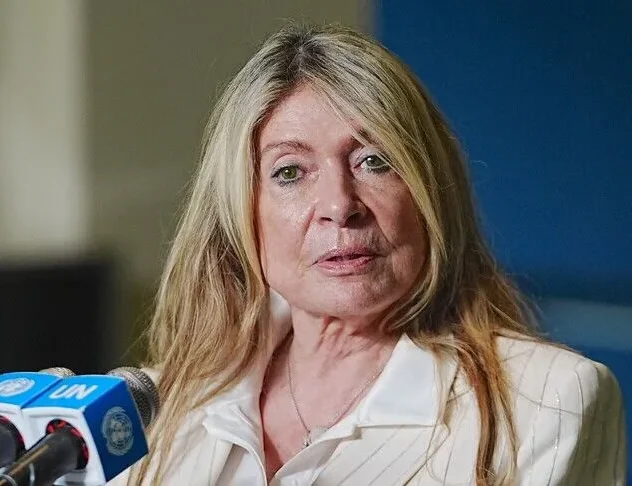
Ivonne Baki
Former Minister of Industries and Productivity of Ecuador, Former Ambassador to the United States
Ivonne Baki presents herself as a reform candidate willing to challenge the status quo at the United Nations. Her stated commitment to impartiality and independence from any government, bloc, or ideology is welcome at a time when the UN desperately needs stronger and more principled leadership.
At the same time, Baki’s experience and proposals warrant serious scrutiny. She has campaigned for a major overhaul of the UN Security Council, including abolishing the veto and expanding permanent membership to all regional groups — proposals that could undermine the ability of democratic powers to block actions that run counter to Western principles and the protection of human rights. Baki’s limited experience within the UN system also raises questions about whether she can effectively navigate the organization’s complex political dynamics.
Baki’s candidacy was endorsed by Tonga, despite earlier indications that she would be backed by Lebanon, where she has significant ties to. In the first UN Security Council straw poll in which she was on the ballot, Baki failed to receive a single vote of encouragement, indicating that she is not a serious contender.
Question for Candidate: You have called for abolishing the Security Council veto. Given the UN’s growing influence by authoritarian regimes, how would you prevent eliminating the veto from making it easier for governments such as China and Russia to impose their will on the United Nations and undermine human rights?
Questions for the Candidates
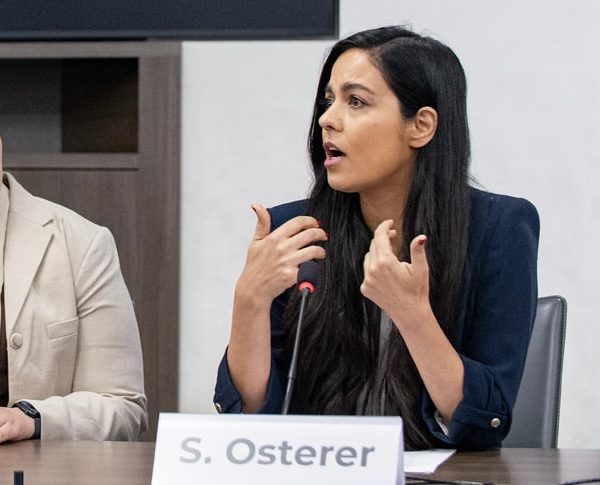
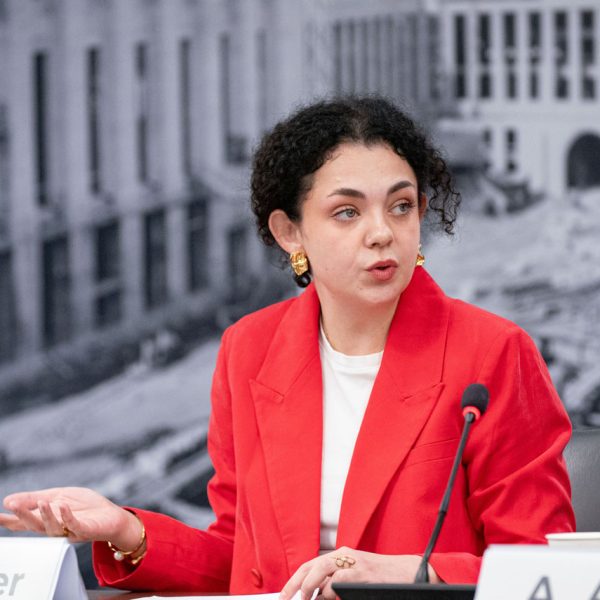
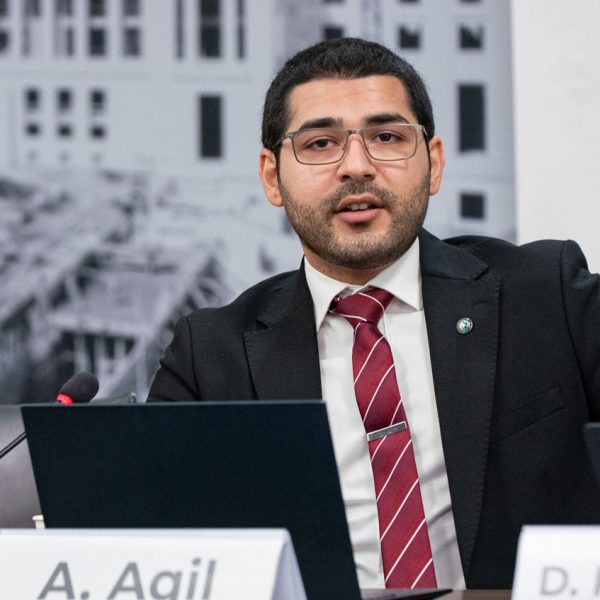
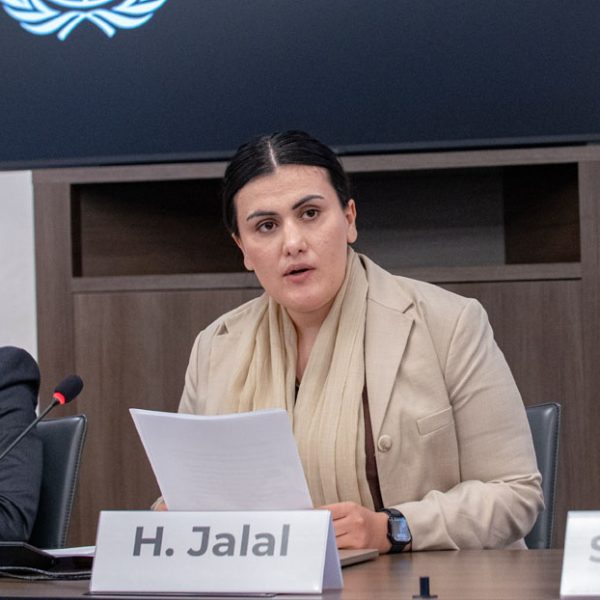
Ahead of the UN Town Hall with the candidates for Secretary-General on July 23, UN Watch has submitted the following questions to all the nominees:
• Do you agree that the main priority of the Secretary-General is to restore moral clarity and credibility, and that if the United Nations cannot tell the difference between victims and their oppressors, it loses the very reason it exists?
• Do you believe that the UN has to stop empowering abusers inside the system, and that it is wrong for authoritarian regimes to sit on human rights bodies and shape global norms?
• Do you agree that the UN’s greatest asset is its legitimacy, that this is eroding, and that the UN needs to end the culture of false equivalence?
• Will you commit that when mass atrocities occur, the United Nations will no longer stay silent — and that no abusers will get a free pass, even if they are powerful or are part of powerful alliances?
• How would you refocus the UN to help victims, amplifying the voices of dissidents instead of regimes?
• In light of UN Watch’s detailed report into the ideological bias and financial conflicts of interest of the UN Human Rights Council’s Special Rapporteurs, will you support a complete ban on Special Rapporteurs receiving earmarked funding from governments, a prohibition on social media statements by mandate-holders, and strengthened evidentiary standards required of the Special Rapporteurs?
• Former Secretary-General Ban Ki-moon had publicly condemned hateful comments made by Special Rapporteur Richard Falk. As Secretary-General, will you do the same by openly condemning racist, antisemitic, and harmful statements made by Special Rapporteurs Francesca Albanese, as well as other UN experts?
• UN Watch has uncovered photographic evidence of more than 400 UNRWA employees with ties to Palestinian terrorist organizations while the U.S. Government is currently investigating 1,500 UNRWA staffers for terror ties. As Secretary-General, will you cooperate with national authorities investigating UNRWA, waive UN immunity for local and international UNRWA employees under investigation, and commit to full transparency?
Update (31 July 2026): Analysis has been added for Mr. Olara Otunnu of Uganda, whose candidacy was announced after the UN Town Hall
Update (28 August 2026): Analysis has been added for Ms. Ivonne Baki of Ecuador, whose candidacy was announced after the UN Town Hall