UN Watch submits unprecedented draft resolution to fire Richard Falk
Take Action: Click here to urge UN leaders
to support the resolution to finally fire Falk
GENEVA, May 10, 2013 – UN official Richard Falk, who was condemned for blaming the Boston terrorist attack on U.S. and Israeli policies, has once again justified the bombings as a form of “resistance” that was “bound” to result from U.S. “military undertakings,” in an interview with The Daily Princetoniannewspaper.
 In an unprecedented move, UN Watch today circulated a draft resolution to terminate Falk’s mandate, and called on the U.S. and the EU to endorse it.
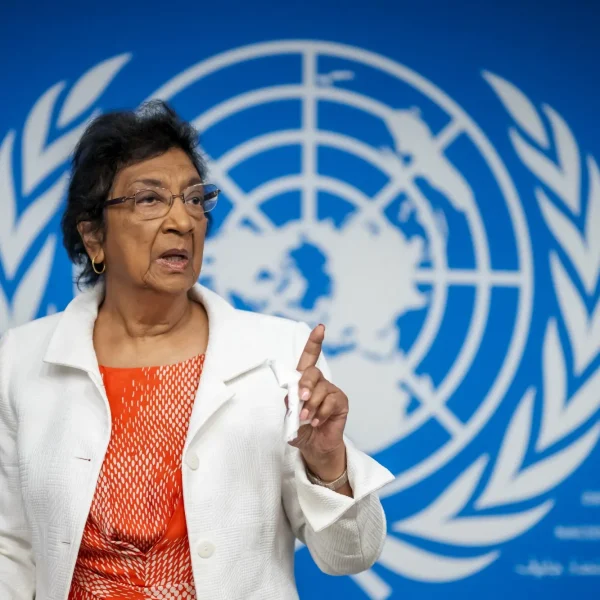
UN Watch also urged UN rights chief Navi Pillay, and council president Remigiusz Achilles Henczel of Poland, to follow Ban Ki-moon’s example and condemn Falk’s latest remarks. So far, both have kept silent.
UN Watch submitted the draft text in the form of a NGO written statement to the UN Human Rights Council, which means that it will officially appear on the council’s agenda and be circulated to delegates when Falk addresses the 47-nation body on June 10th.
To be voted upon and adopted, however, the resolution will have to be sponsored by one of the council’s 47 member countries, such as the United States.
According to a Fox News report yesterday, anonymous diplomats are claiming that it is impossible to remove Richard Falk before his term expires in 2014.
UN Watch categorically rejects such claims. The council and its predecessor have always enjoyed full plenary power to create and discontinue mandates, and to appoint and remove mandate-holders.
Though indeed it would be controversial and unprecedented to fire a council expert, the notion that the UN is powerless to remove any official, or terminate the position itself, is as false as it is nonsensical.
The obstacle is not legal but political. Yet given the fact that the Palestinians themselves have previously called for Falk to go—due to his support for Hamas—there is a cross-regional coalition to be formed, if the U.S. and the EU take the lead. The U.S. has proven that it can accomplish many difficult things at the Council, and the effort itself — even if unsuccessful — would send a powerful message.
There are currently 48 UN rights experts, a dozen dealing with specific countries. Activists and diplomats fear that removing Falk might create a slippery slope whereby rights-abusing countries would seek the removal of other monitors in order to escape scrutiny.
It is a real risk, but any cost-benefit analysis must recognize that Falk is an extreme and present danger to the council’s credibility.
The only other effective measure would be for the U.S. to convince France—which inexplicably has defended Falk—and other leading countries to publicly call for his resignation. If there is enough pressure generated, Falk might actually leave on his own. Until then, the draft resolution should go ahead.