Investigation exposes opaque backing from George Soros’s Open Society Foundations, Ford Foundation, and dictatorships; UN Watch urges overhaul of ‘broken system’
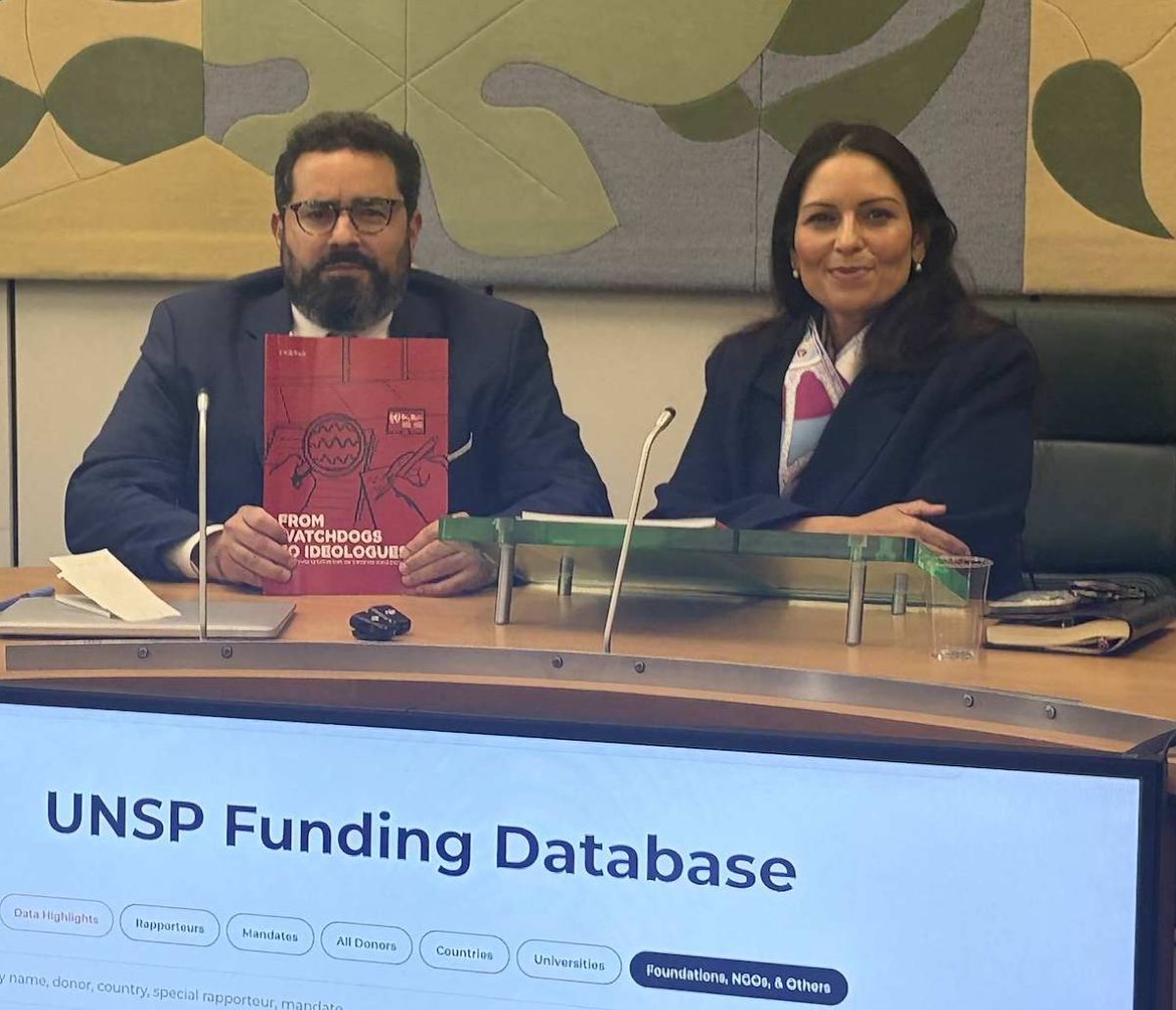
LONDON, October 19, 2026 — At the British Parliament today, UN Watch launched the first-ever database tracking outside funding of UN human rights experts, exposing significant disclosure gaps involving politically-engaged foundations and governments including China, Russia and Qatar.
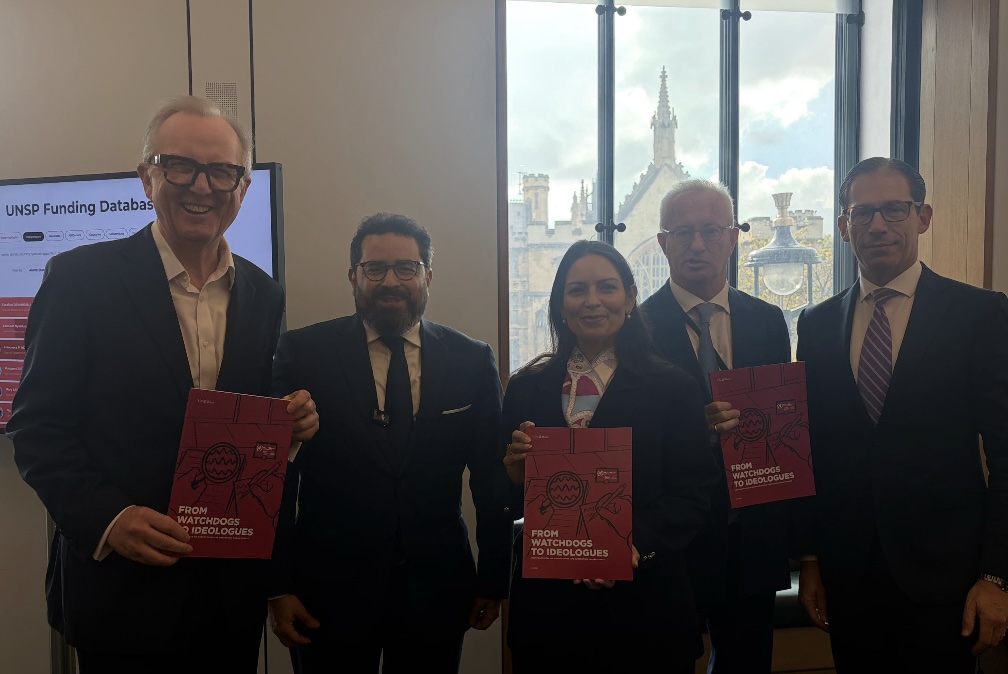
UN Watch Executive Director Hillel Neuer presented the findings, along with the organization’s recent study on the UN rapporteurs, From Watchdogs to Ideologues, to members of Parliament, parliamentary staff, journalists and activists at a briefing chaired by MP Priti Patel, the Conservative Party’s international secretary and former British home secretary.
The new database cross-references UN mandate-holders’ annual disclosures with U.S. tax filings, public grant records and other documented financial support. It identifies approximately $88 million in grants and support for the UN rapporteurs, including estimated values for in-kind contributions.
-
The database identifies $11.8 million in cash and in-kind support omitted from mandate-holders’ annual UN disclosures.
-
$1.4 million in disclosed support failed to identify the donors.
-
More than $42 million is red-flagged for missing information, opaque sourcing or disclosure violations.
These findings raise serious questions about transparency and accountability within the UN’s human rights system. By cross-referencing annual UN disclosures with donor tax filings, public grant records and other sources, the database enables journalists, policymakers and the public to trace outside support, identify potential conflicts of interest and scrutinize the financial relationships behind UN-appointed human rights experts.
“UN experts wield enormous influence over government policy, media coverage and public debate,” said Neuer. “The public deserves to know who finances their work, where the money goes, and whether private donors are helping shape agendas that are packaged as independent UN expertise.”
Foundation funding and partisan agendas
The investigation documents how George Soros’s Open Society Foundations, the Ford Foundation, Wellspring Philanthropic Fund and other progressive foundations finance mandates through universities and NGOs, in many cases with the money transferred to organizations founded or led by the rapporteurs themselves. Disclosures frequently omit the original donor, the intermediary organization or the full financial value.
Among the findings:
- Tlaleng Mofokeng, the pro-Hamas former UN rapporteur on the right to health, failed to disclose a $200,000 Open Society Foundations grant to OurEquity NPC, the organization she founded and leads. The grant supported her mandate’s exploration of “decolonial, anti-racist, and intersectional frameworks.” Separate Ford Foundation grants totaling $1 million went through Georgetown University to support her mandate and a commission she leads, with substantial discrepancies between grant records and her financial disclosures.
- Philip Alston, the prominent NYU law professor and former UN poverty rapporteur whose reports sharply attacked British and American policies, failed to disclose $600,000 in Open Society Foundations grants awarded to NYU to support work connected to his UN mandate.
- Clément Voule, the former rapporteur on freedom of assembly, disclosed $120,000 in Ford funding in 2022, while Ford’s tax records show a $500,000 grant to the Geneva Academy earmarked for his mandate. A similar discrepancy appears in 2023.
- Mary Lawlor, the rapporteur on human rights defenders, disclosed nearly $1 million in Ford Foundation support but did not identify Front Line Defenders—the organization she founded—as the recipient administering those grants. Ford’s tax filings explicitly earmarked the funding for her UN mandate.
- Irene Khan, the former free speech rapporteur, who was implicated in a previous financial scandal after she left Amnesty International, had disclosed substantial Wellspring Philanthropic Fund support without identifying that the intermediary was the NGO “Article 19,” an advocacy organization that seeks to influence the same UN policies her mandate helps shape. The database also identifies a $50,000 Ford Foundation grant to support Khan’s mandate through UC Irvine, which did not appear in her financial disclosures. Moreover, Khan disclosed $100,000 from Open Society Foundations in 2020–2021 but did not identify the Trust for the Americas as the intermediary receiving the grants to support her office. UN Watch says such omissions obscure the institutional relationships behind supposedly independent UN mandates.
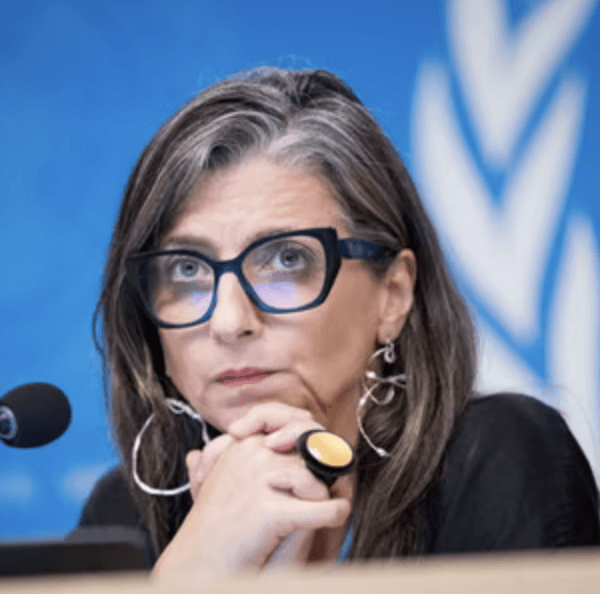
- Francesca Albanese, the rapporteur on the Palestinian territories, disclosed no dollar value for financial support, while UN Watch estimates a $2.56 million footprint encompassing in-kind support and sponsorships, including research assistance, travel and other institutional backing. This includes travel sponsored by Qatar-funded Al Jazeera and partisan advocacy groups, raising questions about outside influence and inadequate disclosure.
“These arrangements allow politically engaged foundations to support UN agendas through financial relationships that governments and the public cannot adequately scrutinize,” Neuer said. “Independence requires more than an unpaid job title.”
China, Russia and Qatar
The database also records $2.4 million from China and affiliated entities, $2.1 million from Russia, and a combined $174,000 from Qatar and Saudi Arabia, earmarked for specific mandates.
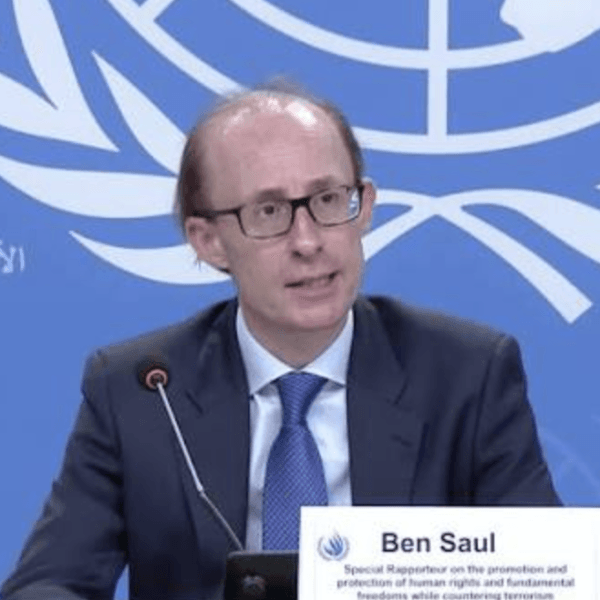
Chinese funding included $150,000 for counterterrorism rapporteur Ben Saul’s office and $100,000 for international order expert George Katrougalos’s office. Neuer highlighted Katrougalos’s praise for Xi Jinping and Saul’s refusal to speak out on China’s persecution of Uyghurs under the banner of counterterrorism, the very issue he is tasked to address.
Call for Reforms
UN Watch is calling for 12 concrete reforms, including:
- A coalition of democratic states to regularly assess, publicly rate and hold Special Rapporteurs accountable.
- A complete ban on earmarked funding from governments or other external entities.
- An independent external mechanism to review, audit and discipline mandate-holders.
- External vetting of candidates by democracies, independent of the UN’s politicized selection process.
- Mandatory evidentiary standards to end reliance on unverified and anonymous sources.
“Democracies must insist that those who investigate others meet basic standards of transparency, impartiality and accountability themselves,” said Neuer.
About UN Watch
UN Watch is a Geneva-based non-governmental organization accredited to the United Nations. It monitors the UN for compliance with the principles of its Charter, defends human rights, and fights dictatorships and double standards. For more information, visit www.unwatch.org.